

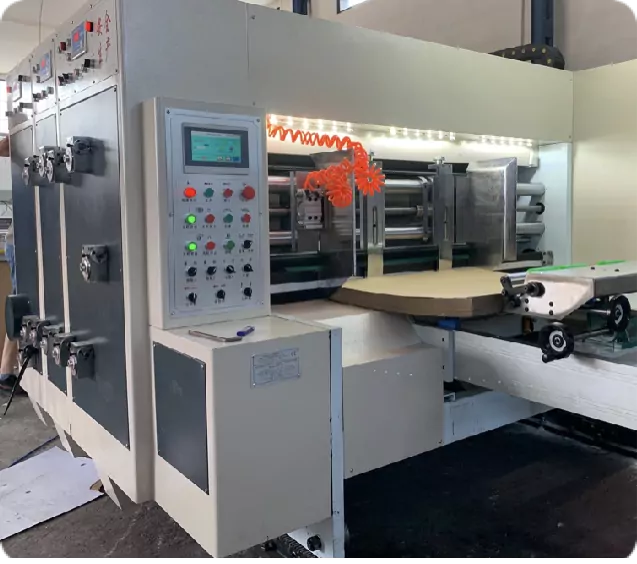
Shop floor, early lessons
4 years on the shop floor in high school. Doubled turnover, cut waste 15%.

Design assumes manufacturing will hold. Process assumes design is right. Maintenance proves both wrong. None of it flows back.
Failure reports capture activity. Almost none flows back into the risk register or the decision that matters. The evidence exists but never reaches the analysis.
Static documents, disconnected from reality, updated once a year. If at all. Field failures happen and the FMEA never changes. Controls stay untested.
Design to process: manual. Process to asset: broken feedback loop. Supplier to design: nonexistent. The data exists. The connections don’t.
Supplier, design, process, and asset risk connected through operating data. Component to sub-system to equipment. The system builds the analysis at every level, surfaces failure patterns, and updates the risk profile as reality changes. Continuously.
Every approved analysis becomes a reusable template. Apply it across similar equipment, sites, or plants. When engineers leave, their knowledge stays in the model. We call it Continuous Risk Intelligence.
AIAG-VDA · IEC 60812 · SAE J1739 · MIL-STD-1629A · ISO 14224
Most failures start as small details nobody captures or connects.
I grew up on the shop floor. Worn seals, missed inspections, failure reports that never made it back to the risk analysis. Four years of watching institutional knowledge walk out the door every time someone left.
20+ AI products shipped across 4 continents. Hedge funds, cybersecurity, pharmaceutical manufacturing. Same problem everywhere: the data that prevents failures exists. Almost none of it reaches the decision that matters.
The gap isn’t data or technology. Nobody has built the connective tissue between supplier quality, design intent, process behavior, and asset performance.
That’s why I founded Tacit AI.
4 years on the shop floor in high school. Doubled turnover, cut waste 15%.

McGill, Glasgow, LSE. 2 product launches at P&G. Data to shop-floor decisions.

London hedge fund, then cybersecurity. Made AI work on messy, real-world data.
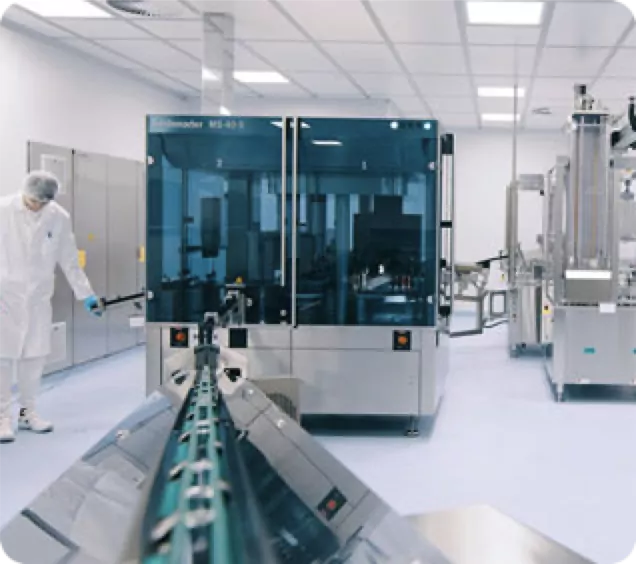
15 AI products at Top 10 Pharma, 12 sites. Risk data everywhere. Connected nowhere.
Over $100M in combined business impact across 30+ production sites.
Approved by your engineers.
A failure anywhere reaches every analysis it touches.
Including the autonomous ones being built now, each carries a risk model that stays true to reality.
Industrial AI is not a demo problem. It is a credibility problem. The product has to earn engineer trust before it earns enterprise scale.
Every recommendation traces back to evidence: asset data, documents, work history, standards and engineer approval.
The system does the analysis. The people who own the process keep the decisions.
Start with one critical system, one real workflow, and one measurable improvement. Prove value, then expand.
No pilots. One critical system. Three weeks. Your engineers judge. Then we scale.
Your documents, your data, your format. We ingest it all.
Risk-ranked failure modes traced to your source documents.
Your engineers own the decision. Accept, challenge, or refine.
New data flows in. The risk profile updates. Gaps surface automatically.
Bring one document. We generate the risk analysis. Your engineers judge the output. When new data arrives, the risk model updates itself.
Trusted by engineering teams across automotive, pharma, and energy